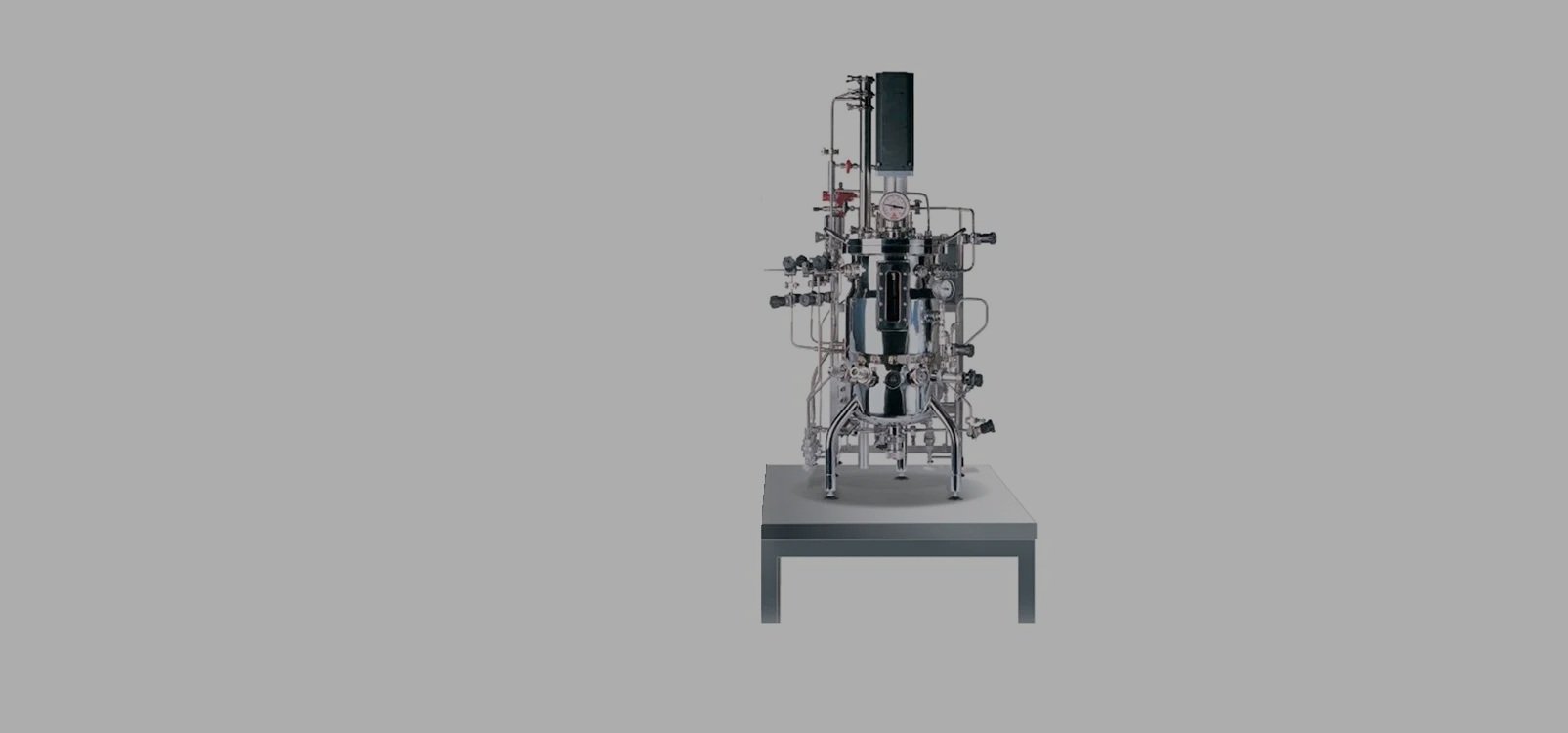
Applikon® BioBench Bioreactors
You rely on your equipment. Your equipment should rely on ATG.
When your bioreactor requires servicing, downtime isn’t an option—you need precise, efficient intervention. At Analytical Technologies Group, we focus exclusively on the repair and maintenance of systems like the Applikon® BioBench Sterilizable-In-Place Bioreactor Series, equipping our field service engineers with the expertise to quickly identify and resolve performance issues. Backed by a rigorously managed in-house inventory of critical replacement components, we ensure minimal disruption and a rapid return to full operational capacity for your lab.
Let’s get you up and running – and keep you there.
Tips for keeping your Applikon® BioBench SIP Bioreactor in good working order:
Install inline filters on the gas supply lines feeding the controller (especially when using MFCs), and replace them annually.
If autoclaving is performed, maintain a log of autoclave cycles for the following:
Glass vessels
pH probes
DO probes
Any other probes located within the vessel
Adhere to the manufacturer’s specified autoclave life cycles and storage recommendations.
Replace vessel O-rings annually.
When using optical sensors, keep all open connections covered with the supplied protective caps to prevent fouling or contamination of connection points.
If the reactor will not be used for an extended period, power it down and, if possible, disconnect it from the power source. These systems rely on high-power electronics that generate significant heat, which can degrade components over time.
Have the impeller shaft drive assembly rebuilt annually to prevent component wear and potential contamination of the media.
Inspect the rollers in peristaltic pump heads for rolling resistance. They should rotate freely; remove any accumulated residue using a mild detergent to prevent tubing wear.
Perform annual preventive maintenance to verify that the system is operating in accordance with manufacturer specifications.
Having technical problems with your Applikon® BioBench SIP Bioreactor?
Fast Response
We provide very prompt responses to customers within one business day.
Fast Turnaround
Our field service engineers are expediently dispatched across North America & Europe to fulfill your service request.
Expert Staff
ATG’s highly trained, highly skilled staff ensure your instruments remain in optimal condition.
Parts In Stock
To minimize instrument downtime, we stock virtually all parts for the systems in which we specialize.
Applikon® BioBench SIP Bioreactor Troubleshooting Tips:
Dissolved Oxygen (DO) Control Issues:
If DO fluctuates or cannot reach setpoint, check gas flow rates, MFC calibration, and gas supply pressure stability.
If DO response is slow, verify sparger performance and increase agitation or oxygen enrichment in the cascade.
If DO readings drift, replace or recalibrate the DO probe and inspect membrane condition.
If DO becomes unstable after media change, retune the PID cascade control parameters.
pH Control Problems
If pH drifts continuously, recalibrate the probe under process conditions and check for junction fouling.
If pH correction is delayed, verify acid/base pump calibration and tubing integrity.
If pH becomes unstable during cultivation, check CO₂ stripping efficiency and agitation uniformity.
If pH readings are inconsistent after SIP, verify probe integrity and perform a post-sterilization verification.
Temperature Control Instability
If temperature overshoots or oscillates, retune PID parameters for the current working volume.
If temperature is uneven, check probe placement and ensure full immersion in the culture zone.
If heating response is slow, inspect jacket circulation or heating element performance.
If temperature deviates after scale change, recalibrate control loop settings.