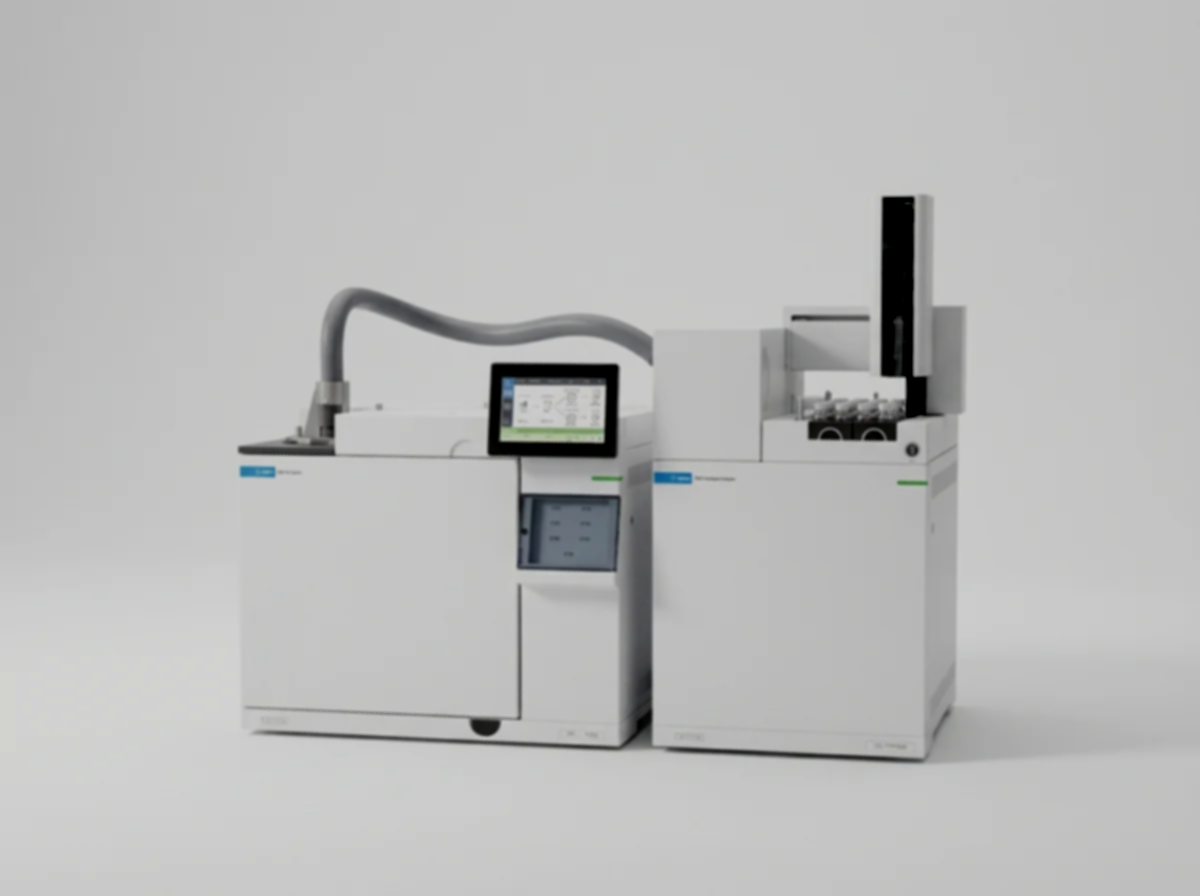
Service for Agilent® Gas Chromatographs
You rely on your equipment. Your equipment should rely on ATG.
At Analytical Technologies Group, we specialize in the maintenance and repair of Agilent® Gas Chromatographs. Because we focus on these systems and keep a deep inventory of critical spare parts, we can deliver fast, dependable service that keeps your analyses running at full capacity.
Workhorse instruments like the 5890, 6890, 7890 and 8890 need consistent, expert care to keep flows stable, retention times reproducible and detectors sensitive. A small leak, a worn seal or a contaminated detector can halt your sample throughput and put your results at risk. For years, experienced scientists have trusted ATG to keep their Agilent GCs performing exactly as designed. You should too.
-
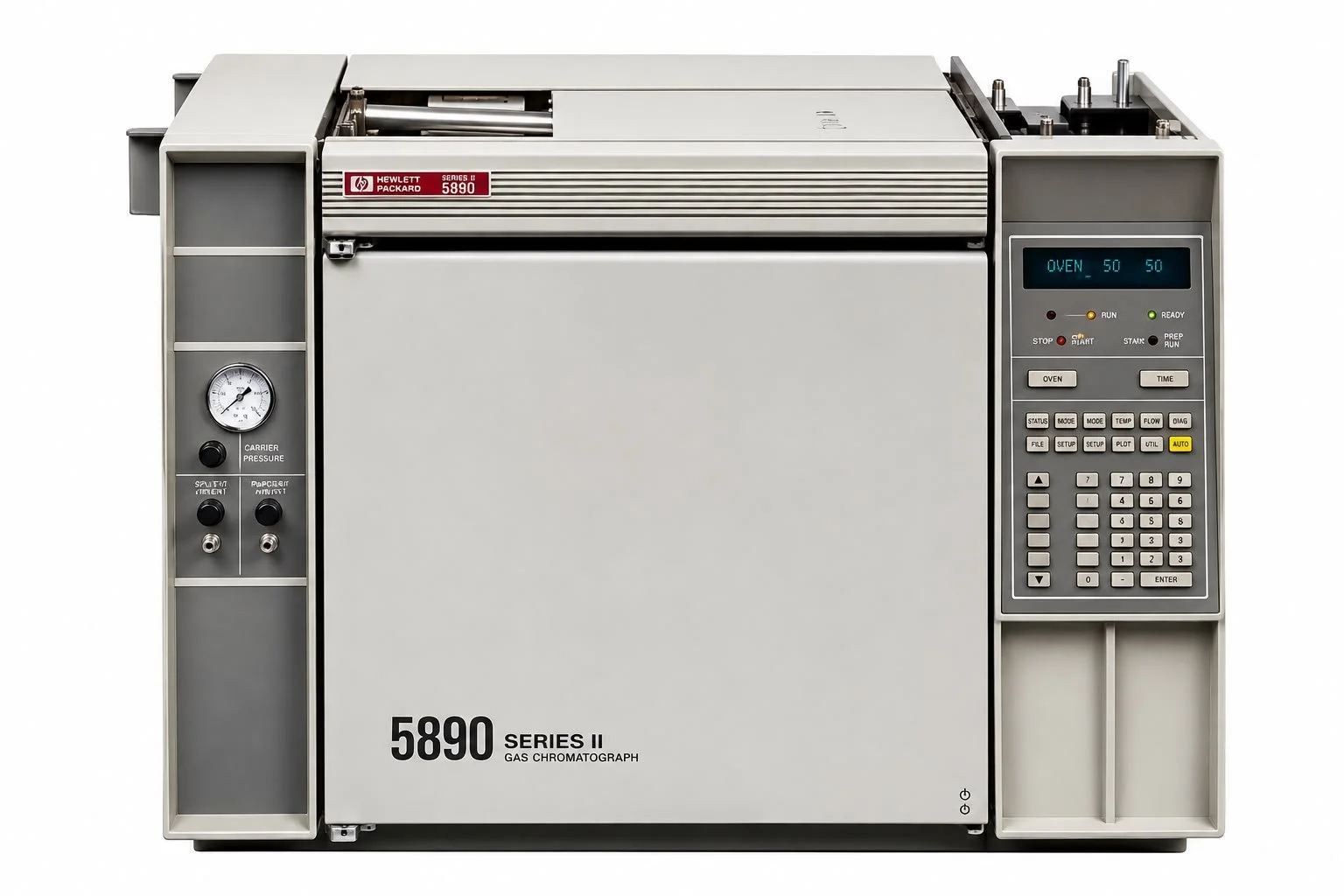
Agilent® 5890 Gas Chromatograph
-
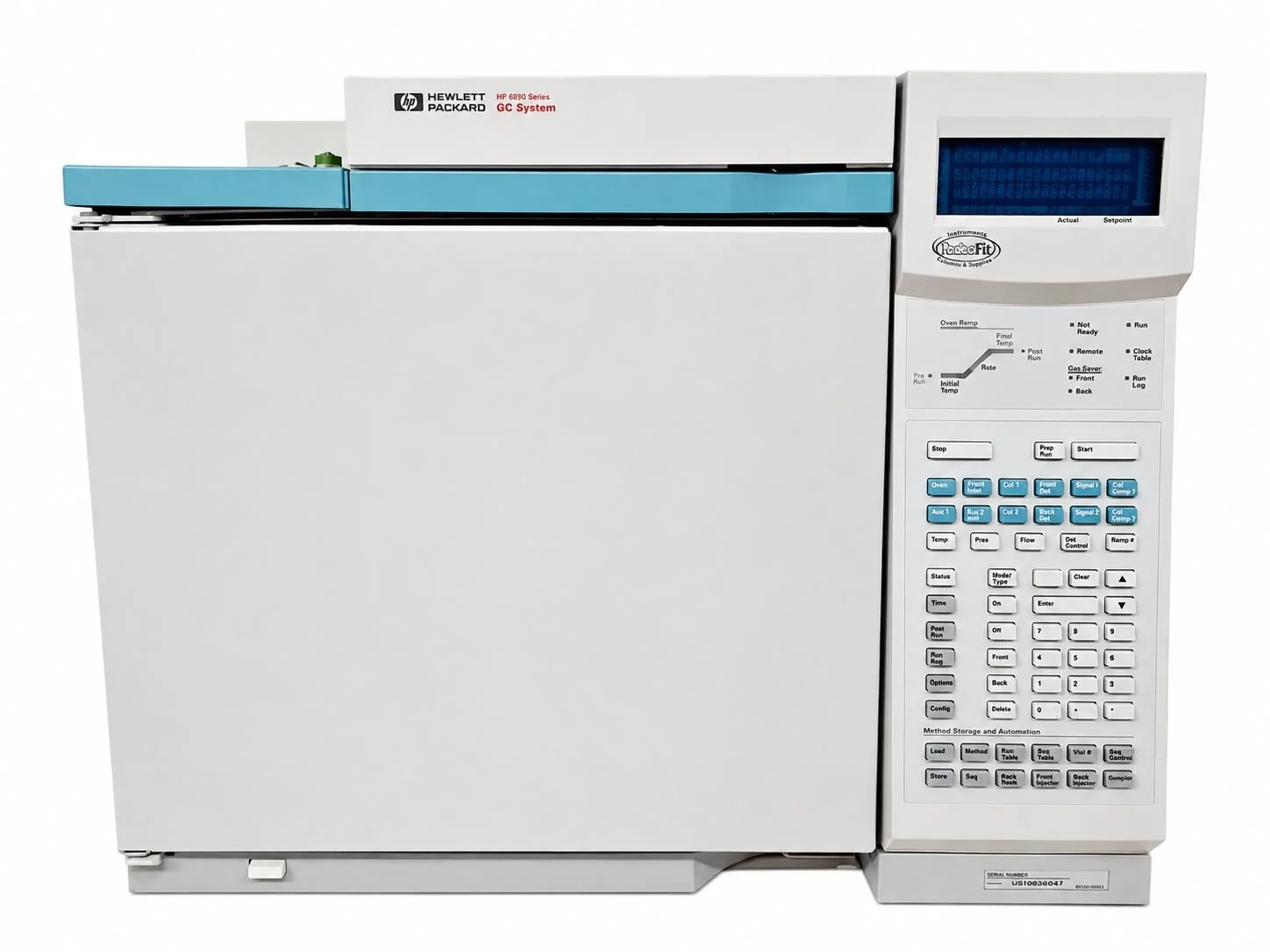
Agilent® 6890 Gas Chromatograph
-
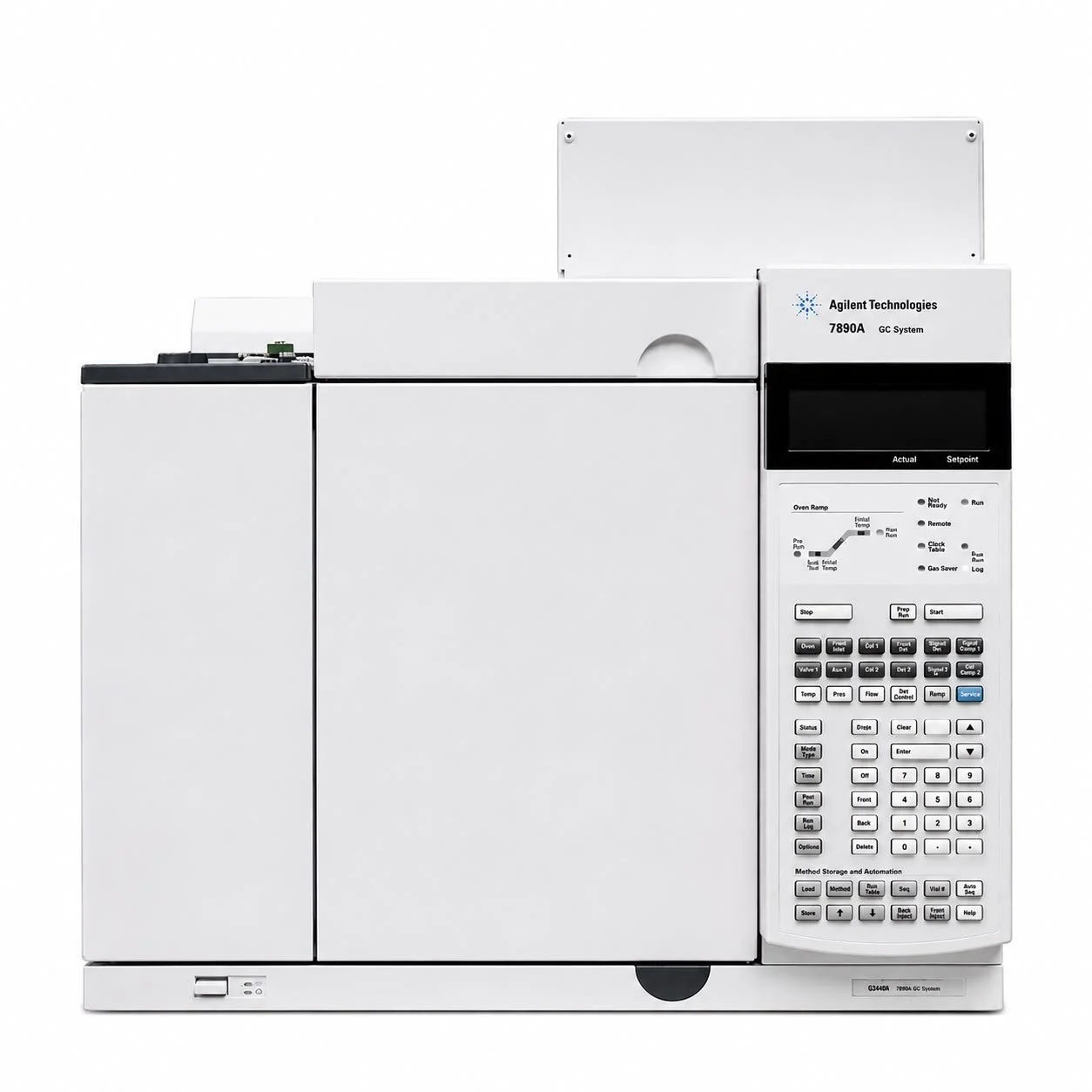
Agilent® 7890 Gas Chromatograph
-
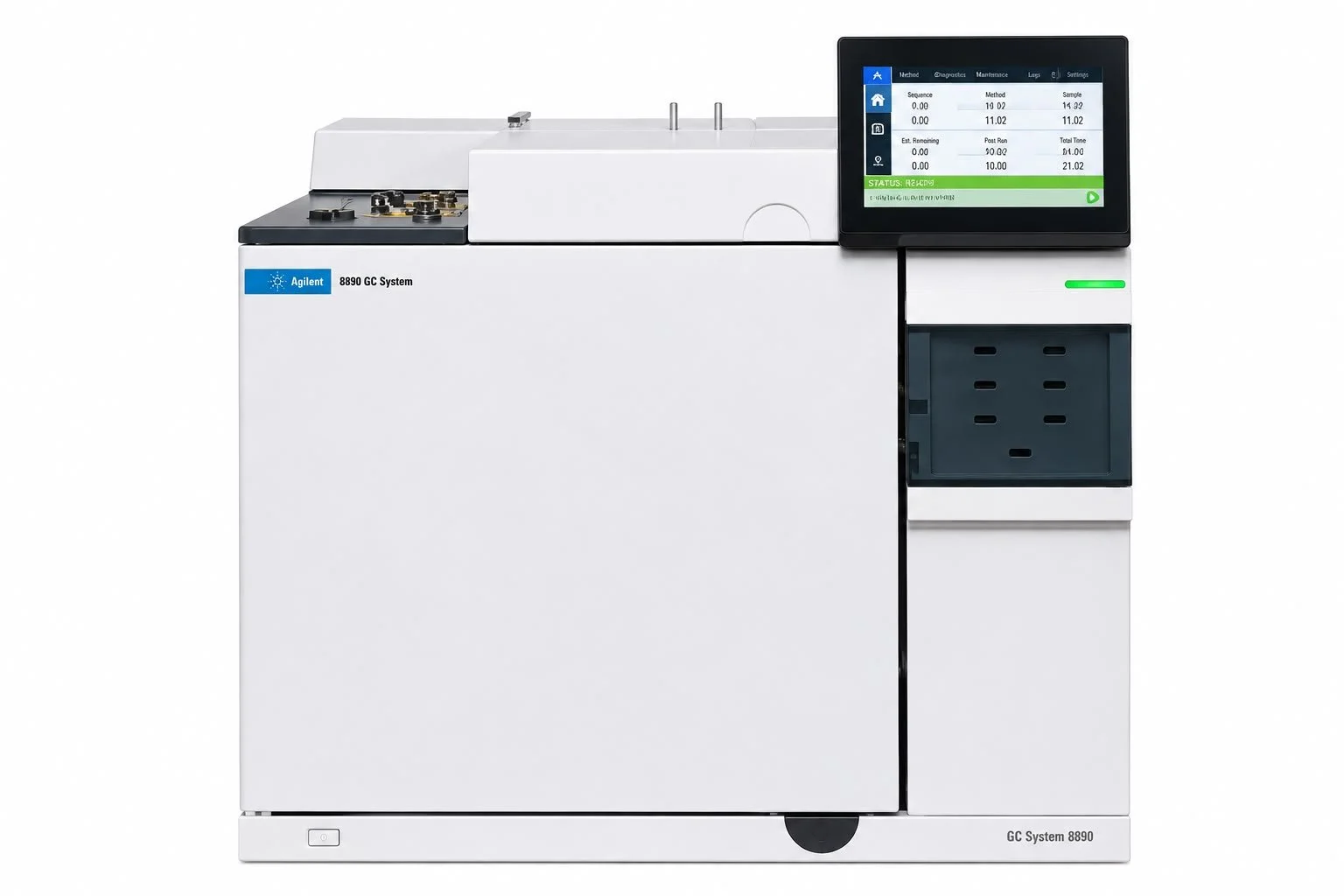
Agilent® 8890 Gas Chromatograph
Tips for keeping your Agilent® Gas Chromatographs in good order:
Daily Maintenance:
Check the carrier and detector gas supply pressures before starting the day’s runs.
If the instrument is in steady use, replace the inlet septum daily. A worn or cored septum is one of the most common sources of leaks.
Keep carrier gas flowing through the system, even during downtime, to prevent contamination buildup.
Monthly Maintenance (or about every 200 injections):
Replace the inlet septum and liner. Agilent’s 8890 uses 200 injections or 30 days as its default reminder for both, which is a good starting point for any model.
Inspect and rinse the autosampler syringe. Replace it if the needle is burred or the plunger sticks.
Every 2 to 3 Months:
Replace the liner O-ring (Agilent default: 60 days or 1,000 injections). O-rings harden at high temperatures and stop sealing. Always replace the O-ring when you change the liner.
Replace the split/splitless inlet gold seal (Agilent default: 90 days or 5,000 injections).
Replace the autosampler syringe (Agilent default: 2 months or 800 injections).
Having technical problems with your Agilent® Gas Chromatograph?
Fast Response
We provide very prompt responses to customers within one business day.
Fast Turnaround
Our field service engineers are expediently dispatched across North America & Europe to fulfill your service request.
Expert Staff
ATG’s highly trained, highly skilled staff ensure your instruments remain in optimal condition.
Parts In Stock
To minimize instrument downtime, we stock virtually all parts for the systems in which we specialize.
Agilent® Gas Chromatograph Troubleshooting Tips:
Retention times are shifting, response is dropping, or noise is increasing:
Check the inlet septum first. These are classic signs of a septum leak.
Check for leaks at the liner O-ring and column connections.
Ghost peaks appear in blank runs:
Replace the inlet base seal (gold seal). A dirty seal is a common cause.
Replace the liner and septum.
Peak areas are inconsistent or heavier compounds are missing:
Check the inlet temperature. If it is too high, samples can break down. If it is too low, heavier compounds will not vaporize.
Check the inlet base seal and split vent line for blockages from condensed sample.
FID flame will not light or keeps going out:
Check that the column flow is not too high.
Check that the jet is not plugged and is the correct type for your column.
Large injections of aromatic solvents can put out the flame. Try a non-aromatic solvent.
Check the lit offset setting. If it is too high or too low, the detector may try to re-ignite at the wrong times.